5 Ways My Filmmaking Background Enhances My Explainer Animation Work
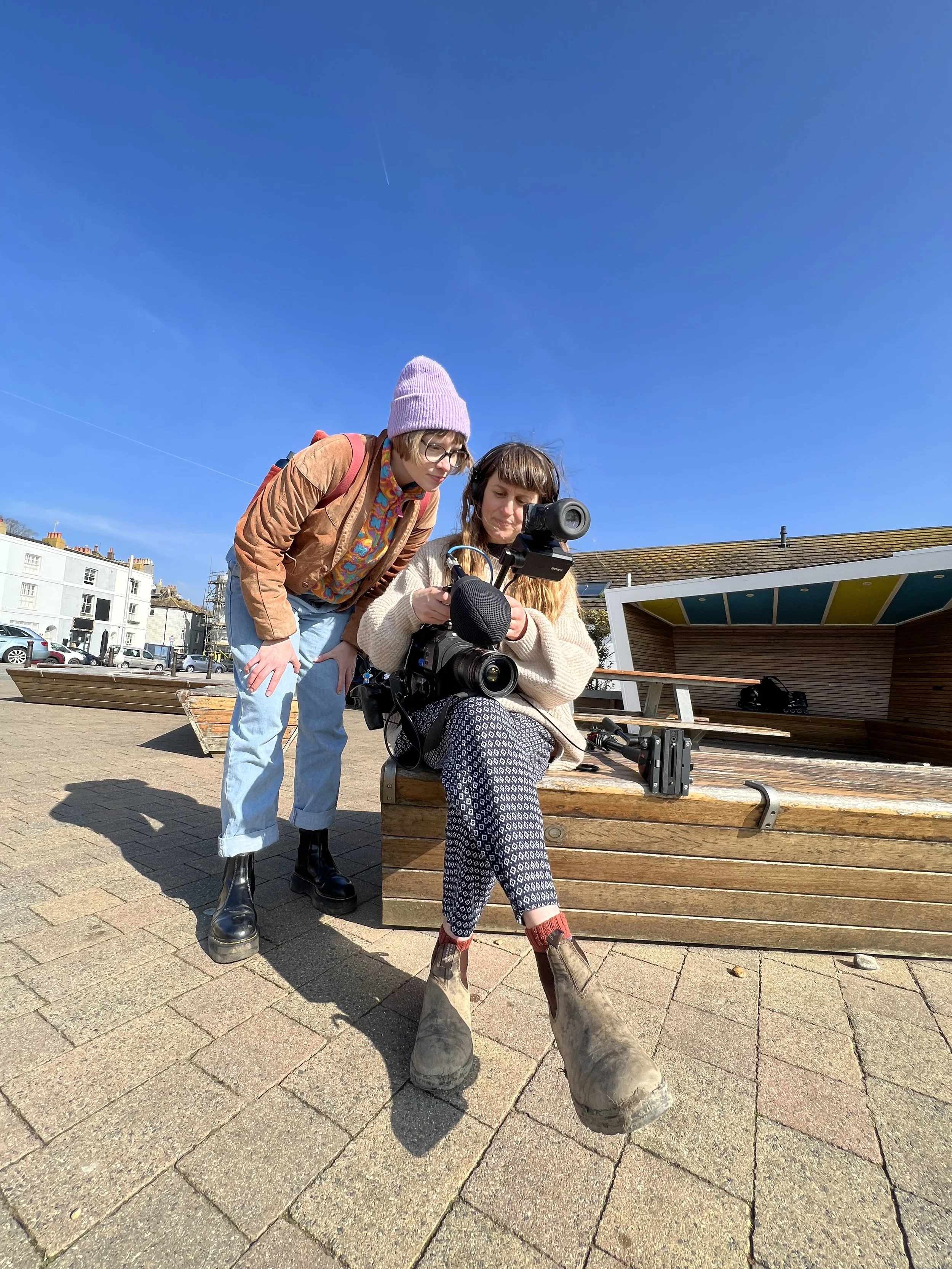
Before I was a visual storyteller, I was a documentary filmmaker - and I still am.
People often ask how I moved from filmmaking into live illustration, animation and visual storytelling. To me, it doesn’t feel like a leap at all.
At their core, both disciplines are about the same thing: understanding people, finding meaning and communicating ideas in a way that makes people feel something.
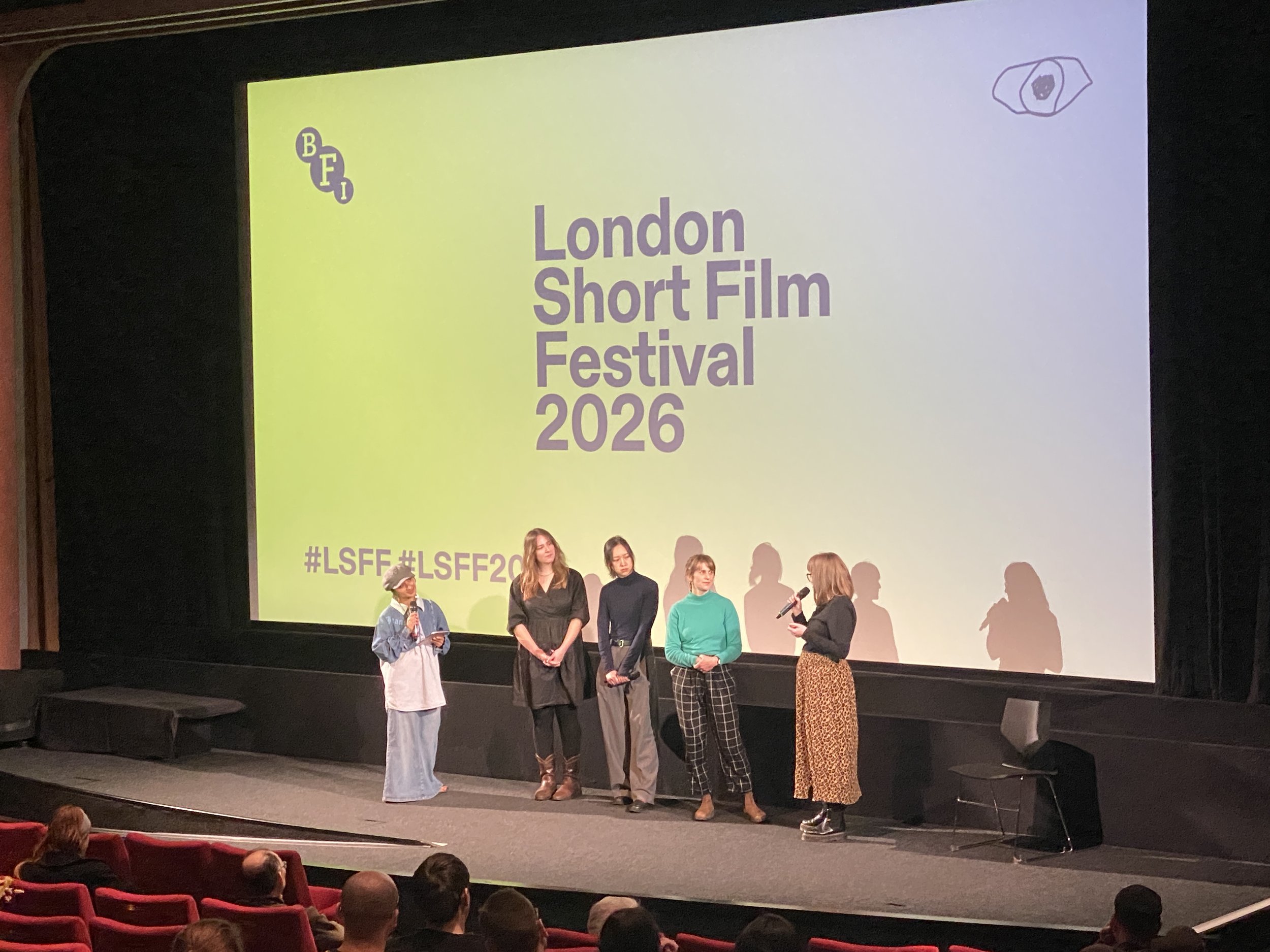
Whether I’m creating an animated explainer video, illustrating a live event or developing an infographic, I bring the same mindset I developed behind the camera.
Here’s how my filmmaking background continues to shape the way I work today.
1. Deep listening and observation
In documentary work, listening is everything.
You can’t script real life. You can prepare, research and ask questions but ultimately your job is to tune in, observe and notice what’s actually unfolding.
That means listening beyond the obvious.
Noticing pauses. Contradictions. Emotions. The moments that reveal what someone really means rather than simply what they say.
That skill translates directly into my work creating animated explainers, live illustration and visual storytelling.
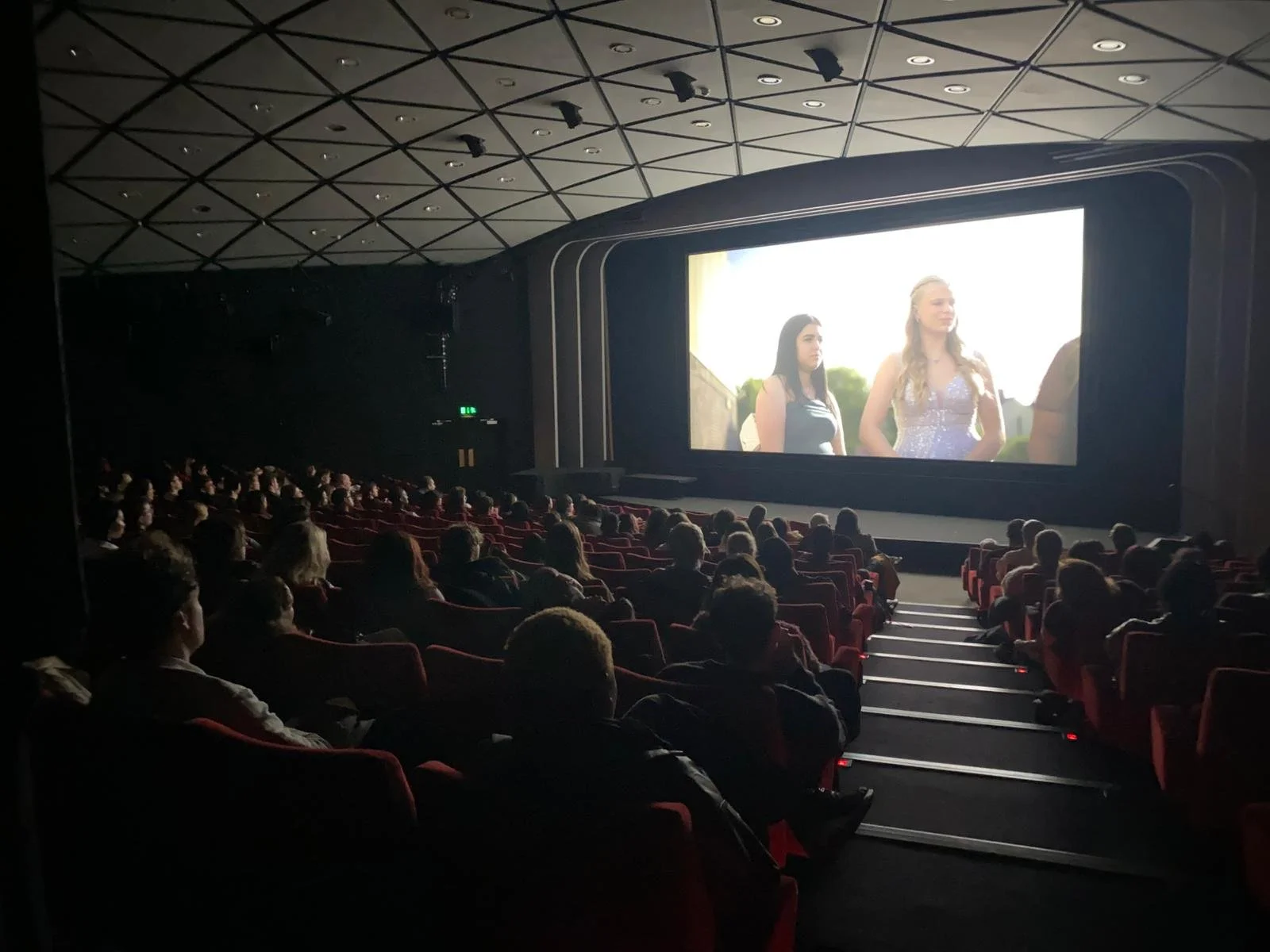
When working with clients,
I’m listening for:
recurring themes
emotional drivers
the messages people most need their audience to understand
That’s often where the strongest visual stories begin.
2. Finding the emotional core of the story
Every good documentary has an emotional arc.
Even when the subject matter is technical, policy-led or data-heavy, there’s always a human reason the story matters.
That’s something I bring into every animation project.
Whether a client sends me:
a strategy document
a workshop summary
a campaign brief
pages of notes
…I’m always asking:
“What’s the real story here?”
What should people feel?
What should they remember?
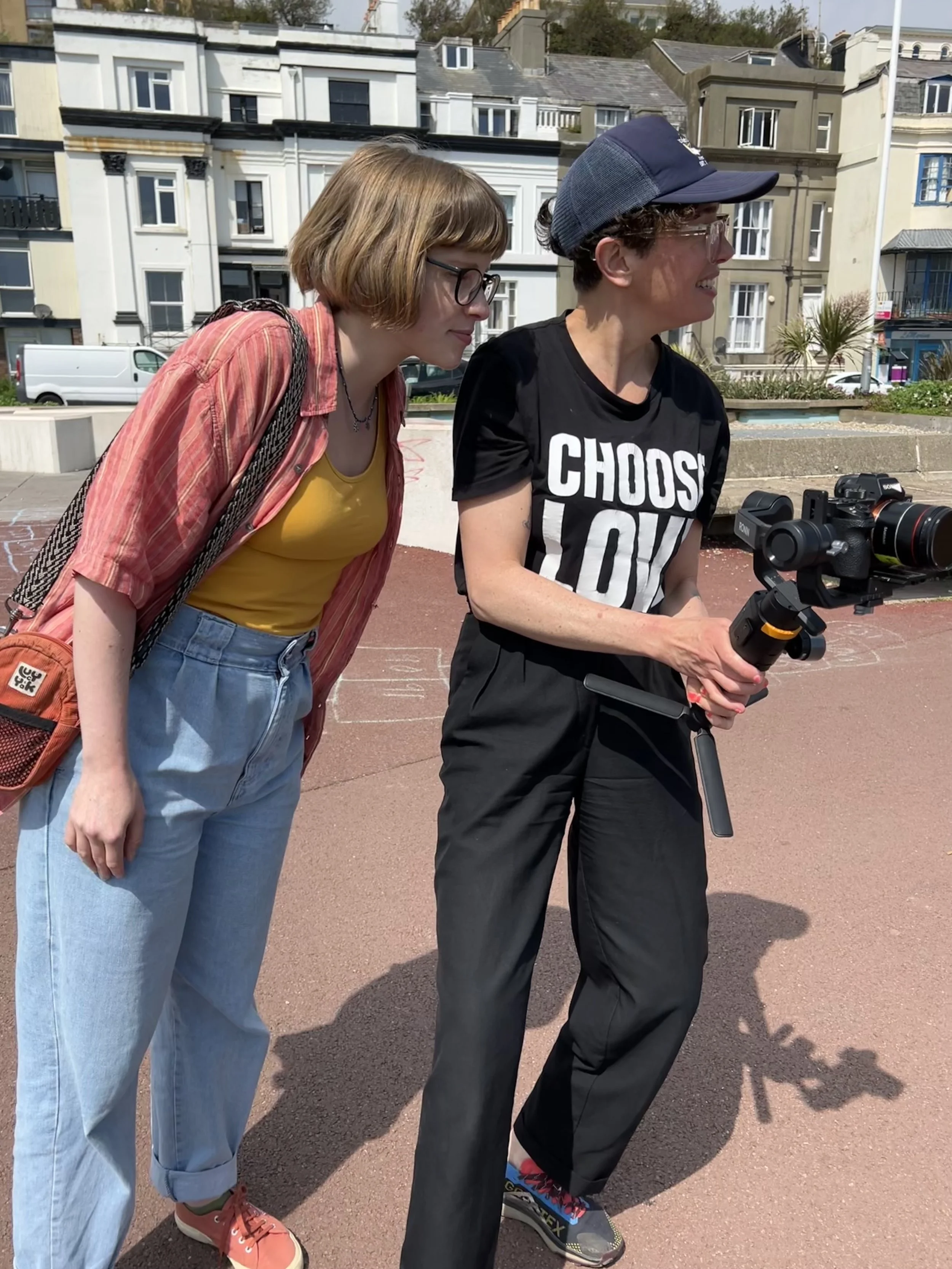
Finding that emotional thread helps transform information into explainer videos and animated content that connect with audiences on a human level. P
eople rarely remember facts alone.
They remember how something made them feel.
3. Editing down to the essentials
One of the biggest lessons filmmaking taught me was this:
The story isn’t created when you hit record.
It’s created in the edit.
Documentary projects often begin with hours of footage, competing perspectives and more material than could ever make the final cut.
The challenge is shaping that into something coherent.
That editing instinct has become incredibly valuable in my work.
Clients often come to me with:
complex services
large amounts of information
layered stakeholder insight
difficult-to-explain processes
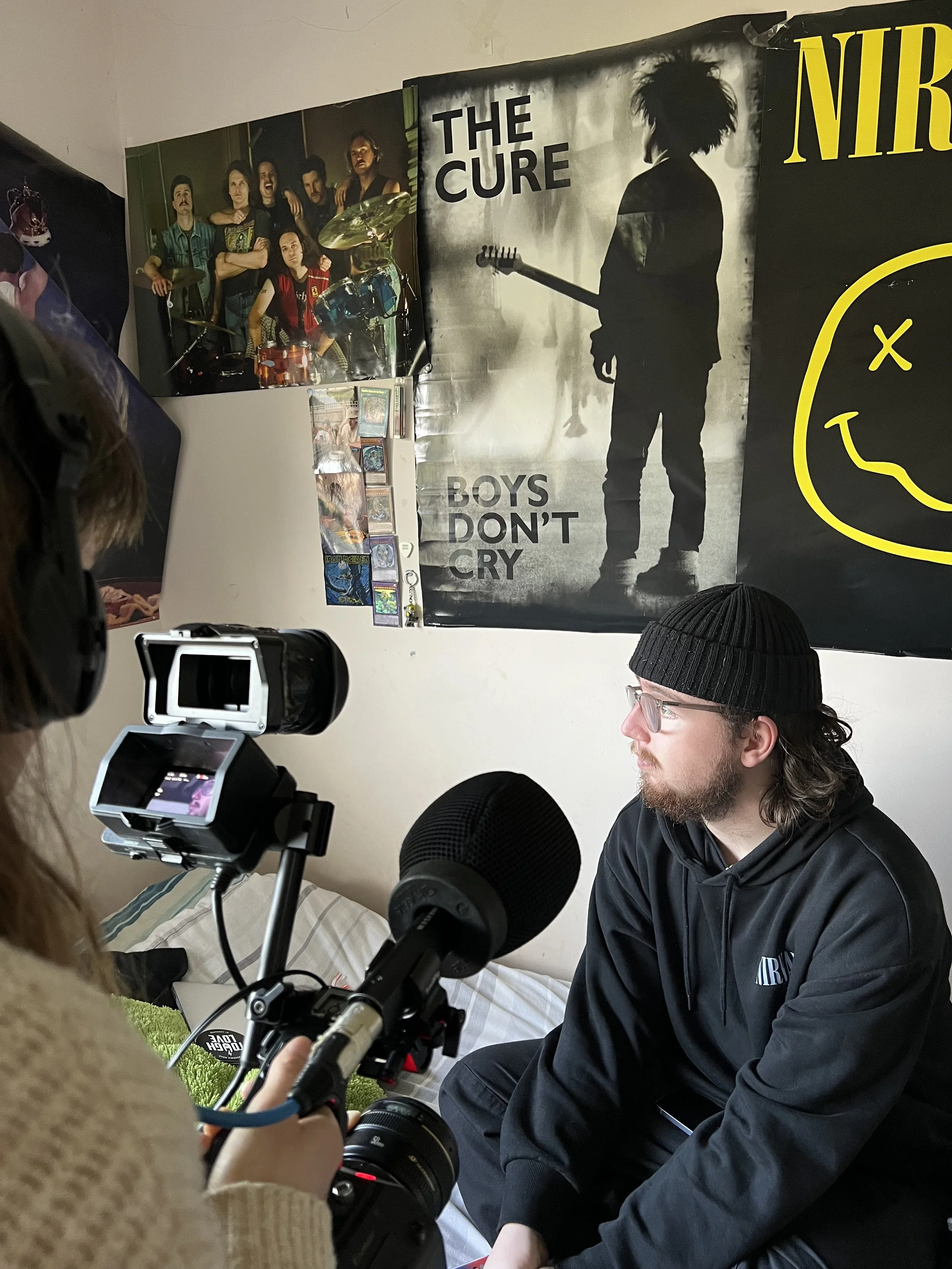
Tempting as it may be to include everything, I have to identify what matters most and shape it into a clear narrative.
That’s what makes animated explainer videos and Infographics so powerful. They help people understand quickly without losing depth.
4. Staying Human-Centred
Filmmaking taught me to focus on people.
Even when I’m illustrating abstract concepts or communicating technical information, I’m always thinking about the person on the receiving end.
Questions I regularly ask during projects include:
What does the audience need to understand?
Where might they lose interest?
What will help this message stick?
How can we make this feel more relatable?
This human-centred approach helps visual communication feel more accessible and meaningful.
5. Visual Framing and Flow
In film, visuals carry meaning before a single word is spoken.
How you frame a shot.
How scenes transition.
How pacing builds momentum.
All of it shapes how people experience the story.
I bring that same thinking into my animation and infographics services.
When creating animated explainers, I think in:
scenes
rhythm
transitions
visual pacing
moments of pause and emphasis
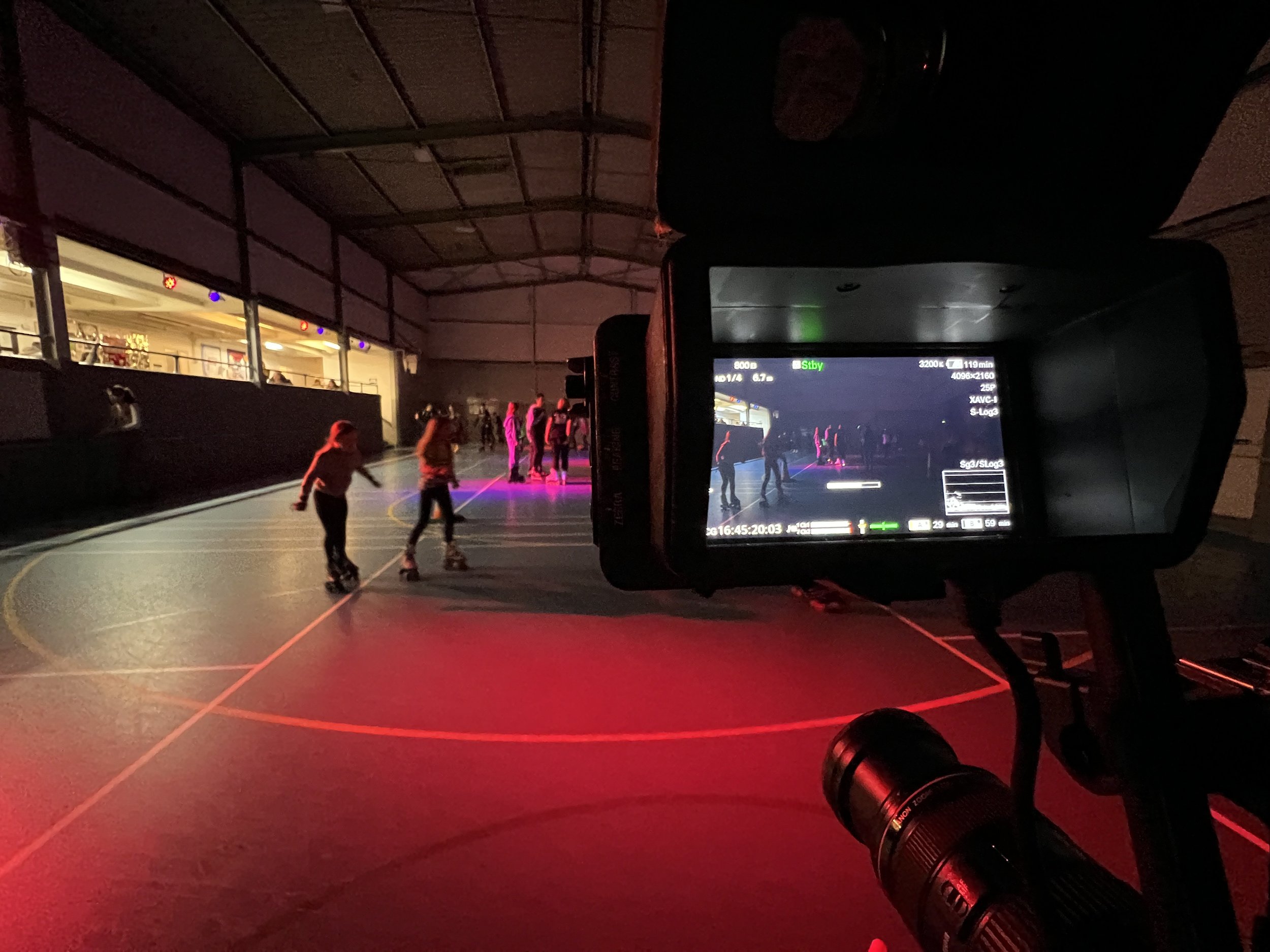
That cinematic approach helps guide attention and keeps people engaged throughout.
Animation isn’t simply moving illustrations.
It’s storytelling in motion.
Why This Matters for Your Brand
When you combine documentary instincts with visual storytelling, the result is often something that feels more:
grounded
thoughtful
engaging
human
emotionally connected
Whether I’m creating animated explainer videos, animated infographics or visual storytelling content, my goal is always the same:
To turn complexity into clarity without losing the human story beneath it.
Need help telling your brand’s story in motion?
If you’re trying to communicate a complex idea, explain a service, share impact or bring strategy to life, animation can help people connect with your message more quickly and meaningfully.
👋 Need help telling your brand’s story in motion? Let’s chat
